

News Details
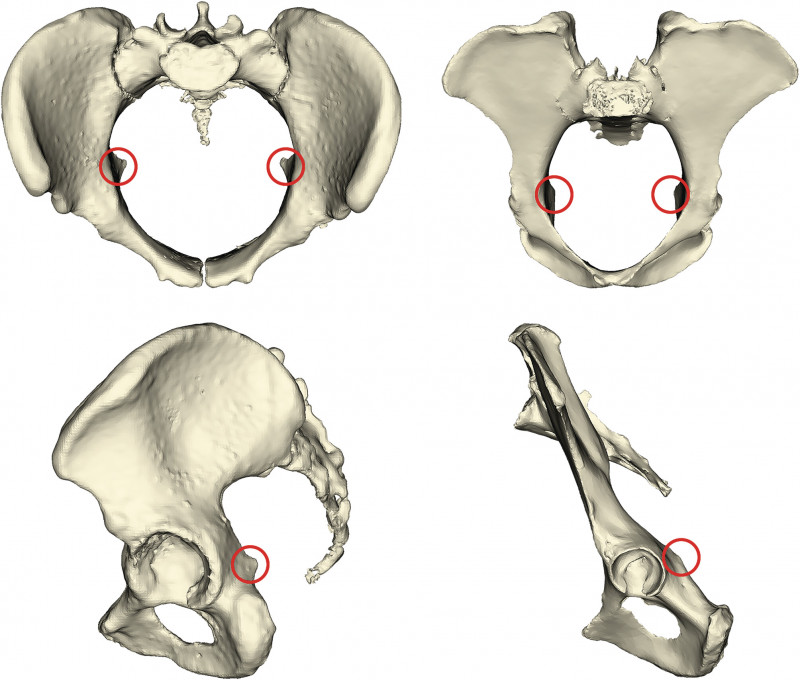
In a recent study published in The Anatomical Record, KLI Group Leader Barbara Fischer and KLI Postdoctoral Fellow Katya Stansfield examine the "pelvic floor hypothesis" as a key reason the human birth canal has not evolved to be wider and why childbirth remains unusually difficult for humans. Traditionally, explanations of the “obstetrical dilemma” have focused on bipedal locomotion as the main factor limiting pelvis size. The pelvic floor hypothesis proposes that the dimensions of the birth canal are constrained by the need for the pelvic floor to support abdominal organs while remaining flexible during birth. A larger birth canal, though seemingly advantageous for delivery, would weaken the pelvic floor's support, increasing the risk of disorders such as prolapse and incontinence, which can severely impact biological fitness—especially without modern medical intervention. Using comparative, clinical, and modeling evidence, the study shows a strong association between wider birth canals and increased pelvic floor disorders, highlighting how the evolution of human pelvic anatomy results from a complex balance among multiple selective pressures, with pelvic floor stability a critical but previously underappreciated factor.
Publication:
Fischer, B., & Stansfield, E. (2026). Human evolution and the obstetrical dilemma: The pelvic floor hypothesis. The Anatomical Record, 1–14. https://doi.org/10.1002/ar.70279